
Sauna and cold plunge: order, duration, evidence
Contrast therapy has gone from Nordic habit to global fixture in about five years. The habit is older than the trend, and so is the evidence.
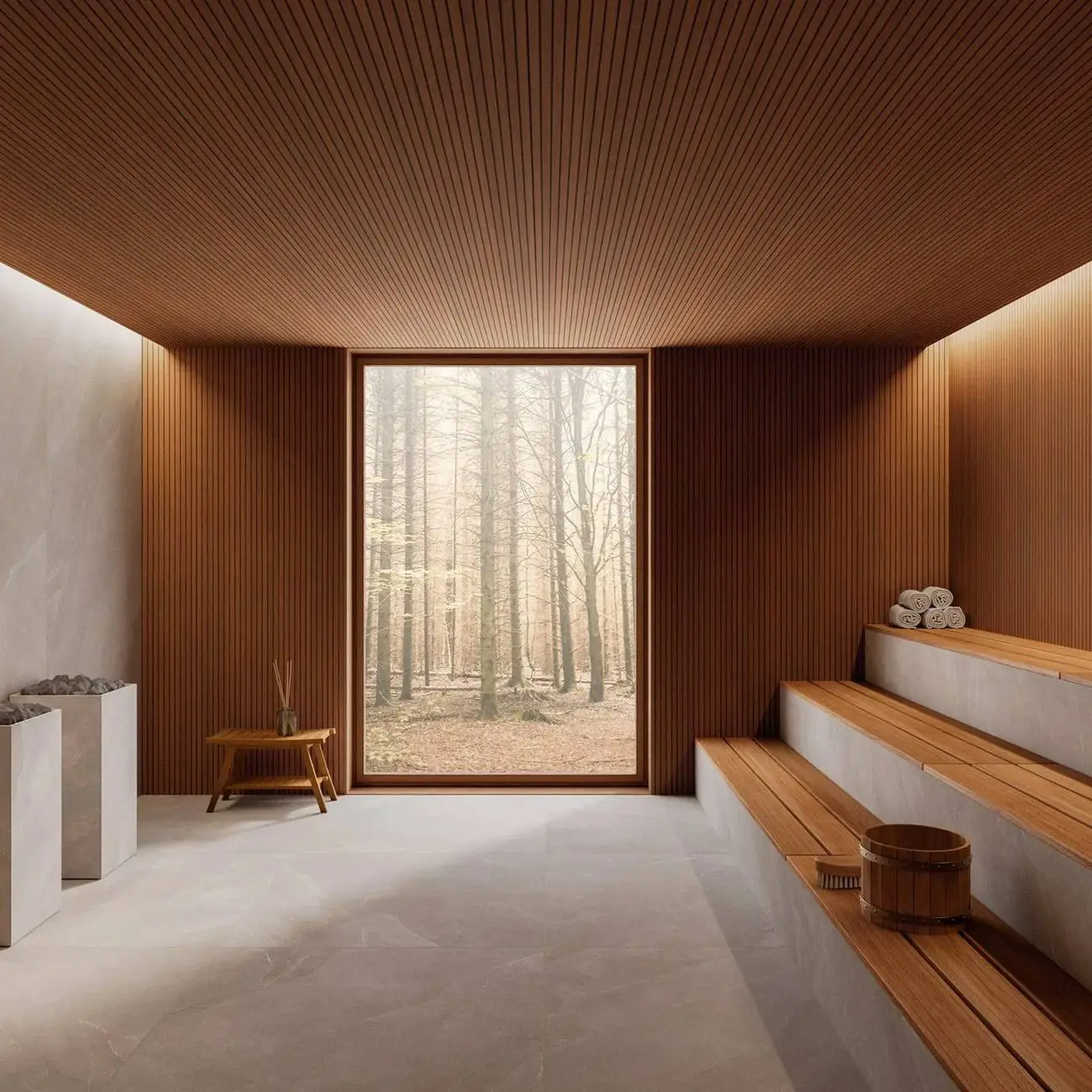
The most cited body of work comes from Finland. In a cohort followed over two decades, published in JAMA Internal Medicine in 2015, men using a sauna four to seven times a week had markedly lower cardiovascular and all-cause mortality than those using one once a week. A review in Mayo Clinic Proceedings in 2018 gathered the wider literature and pointed the same way. These are observational studies, which means association rather than proof of cause, and they say nothing about ten days abroad.
What they do establish is that frequency is the variable, not intensity. Somebody sitting in a sauna four times a week at a reasonable temperature is doing the thing the data describes. Somebody doing one heroic session on the last day of a stay is not.
The order, and why it matters
Heat first, cold second, is the traditional sequence and the one most people find sustainable. The reverse is fine and is a matter of preference rather than physiology, with one exception below. What matters far more than the order is that you can do it repeatedly without it becoming an event.
The exception is strength training. Cold immersion immediately after a heavy resistance session appears to blunt part of the adaptation you were training for. If you lift and you plunge, put hours between them, or plunge on the days you did not lift. On a cardio day the question does not arise.
Duration, in practice
Long enough in the heat to sweat properly and want to get out, short enough in the cold that you can control your breath the whole time. Two or three rounds is plenty. The point is to finish wanting to do it again tomorrow, because tomorrow is where the benefit described in the Finnish data lives.
Frequency is the variable. A sauna used four times in ten days beats a sauna admired for ten.
What to check in an address
Ask when the sauna was last used, not whether it exists. Ask how long it takes to reach temperature, because a two-hour warm-up is a sauna nobody uses twice. Ask whether the cold water is chilled or whether it is simply the pool, and in which months the pool is cold enough to count. And ask where they are in relation to each other: a sauna at one end of the property and cold water at the other is a sequence that quietly stops happening after day three.
What this changes in a stay
Since frequency is the variable, our questions to an owner are about use rather than about existence: when the sauna last ran, how long it takes to heat, whether the cold water is chilled or seasonal, and how far apart the two are. An address where the sequence is a thirty-second walk is an address where it happens four times in ten days. An address where it is a project is an address where it happens once, and once is not what the data describes.
Frequently asked
Sauna before or after the cold plunge?
Heat first, then cold, is the usual and most sustainable order. The reverse is a matter of preference. The one rule that matters is not to plunge straight after a heavy strength session.
How long should a cold plunge last?
Short enough that your breathing stays under control from start to finish. If you are gasping, it is too long or too cold for you today.
Does cold water after training cancel out the session?
Cold immersion straight after heavy resistance work appears to reduce part of the adaptation. Leave hours between the two, or use the cold on days you did not lift.
How often should I use a sauna to get the benefit described in the studies?
The Finnish cohort work associates four to seven sessions a week with the largest differences. It is observational, so it describes an association rather than proving cause, and anything you do is a matter for your doctor.